
Home / Shop Wines
Shop for Wine
Filter by what actually matters — how it tastes, what you're eating, and what tonight is about.
195 wines
No matches online
We haven’t shelved that one on the website — but it may still be in a store, and if it exists, we can probably get it.

La Hermandad De La Uva Cabernet Franc
Expensive? For sure. But Silvia Puig named this barrel after Bonnie Tyler because the flavor builds into a "total eclipse" of a crescendo. It trades the typical green notes of Cab Franc for black pepper, violets, and a ripeness born from the Mediterranean sun. With only 270 bottles produced, it is the rarest of the project and built on an absolute refusal to compromise.

La Hermandad De La Uva Garnacha
Silvia Puig names every barrel after how the wine makes her feel, and this one is pure Ella Fitzgerald: deep, complex, and delicate. It’s wine born from brutal volcanic slate, where roots dig 20 meters deep through cracked rock just to find a drink. The result is a soul-stirring red elegant enough for a Michelin-starred table, but just as good for an evening of arguing about life.

La Hermandad De La Uva Syrah
Sourced from the vertiginous, hand-worked terraces of Poboleda, this Syrah is a liquid snapshot of the Priorat mountains. Silvia named the barrel after the author of Hamnet, and the wine is every bit as dramatic as its Shakespearean namesake—loaded with wild rosemary, thyme, and lavender. Only 294 bottles were made for the entire world, and outside of a few elite restaurants in Spain, they’re nearly impossible to find.
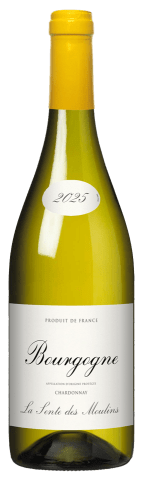
La Sente des Moulins Chardonnay
White Burgundy has gotten so expensive that people now whisper the word "Meursault" like it's a mortgage payment. Here's the workaround: this is real Bourgogne Chardonnay, blended from parcels stretching the length of Burgundy, from Chablis in the north to the Mâconnais in the south. Gently pressed, fermented in steel, no oak. Pear, white peach, citrus, and that chalky finish Burgundy lovers chase. The Danes have been hoarding it for years. Our turn.
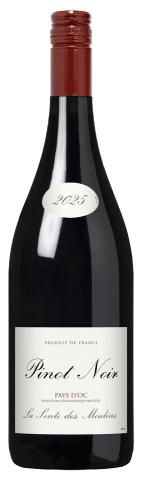
La Sente des Moulins Pinot Noir
Pinot Noir runs away from Burgundy, ends up topless on the Med, and honestly? Best decision it ever made. Clay, limestone, sunshine, zero regrets. A little French oak for decency’s sake.

Ladron del Palacio
The powers behind Bodegas Lo Nuevo are crucial to the modern success of Spanish wine, especially wines from the Levante, the Africa-facing south. Here the Almansa region grows Garnacha, among other traditional Spanish red grapes, but unlike the oxidized, alcoholic wines of yore, the new wines are bright and sunny with all the original fruits from the grape preserved. Bodegas Lo Nuevo would be the first to insist that their success is conditioned upon old vines grown at high altitudes. Here the Garnacha is at nearly 3500 feet, where the otherwise relentlessly warm temperatures see nighttime cooling into the 40s.

Larme en Rose
If you stick around the wine business long enough, you’ll have seen it all. Where once wine coolers were cooler than Liebfraumilch, now hard seltzer is hot (served cold). White Zin was once de rigeur, though it was never French; it was from the good ol’ US of A. But then that became too sweet and the category died. Or seemed to. Because then rosé rose up like a zombie eager for fresh meat, though the current iteration of the pink stuff is more often French than not. Provence is the epicenter of it and the French have figured out how we like it: dry, pale pink, light and refreshing.
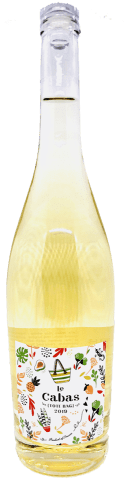
Le Cabas Sauvignon Blanc
Gascony ain't just the Three Muskateers, though they have a place in our hearts as well. More than anything, Gascony is foie gras, delicious plums and apricots, rich dinners with Armagnac to follow. But the white grapes grown here are not just for great brandy, they have always been consumed as wine too and the last decade or so has seen an embrace of clean, cold winemaking to preserve the aromas of otherwise neutral grapes like Ugni Blanc or Folle Blanche. It's also seen new plantings of Sauvignon Blanc, a grape that requires no heroic measures to reveal its aromatic riches. Whats fun here is that these same winemaking methods generate something bright and vibrant but without much resemblance to other such Sauvignon Blancs (I'm looking at you, New Zealand), many of which have begun to seem like self-caricature. This one is comfortably itself, needing only an ice bucket and a big glass.

Le Paria
From the Cabardés region inside Langeudoc, and a little town called Ventenac, in the rolling foothills of the Pyrenees. For France, this is warm climate viticulture though it is not so different from the southern Rhone Valley climatically speaking. In general, the Languedoc doesn't cool off in the same manner as the Rhone but Grenache is happily at home in such a sunny place. And the family is invested not only in their historical sites and vines on the side of Montagne Noire but also in sustainable viticulture. The vineyard is free of chemical inputs and the wine has no added sulfites; it’s aged only in traditional concrete tanks.

Les Borgnottes Pinot Noir
Forget delicate, polite Pinot. This one’s got attitude. Juicy cherry and wild berry flavors with a streak of earthiness that keeps things real. Smooth, but not afraid to get a little scrappy. Basically James Dean in a bottle — cool, classic, and gone too soon

Les Peyrautins Pinot Noir
You have been told that Pinot Noir is the most finicky of grapes; indeed, it’s supposed to be the “heartbreak grape.” The statement is not false but it’s also not completely true. To make great Pinot noir is bloody difficult and to do it consistently is virtually impossible, unless you’re in some famous place. But that’s true of most grapes. It’s true that Pinot noir grown in the wrong place is pretty dreadful, maybe more dreadful than most other grapes. But the middle ground has plenty of wealth to it – you need a friendly place for grape growing but not too friendly. With France’s Pays d’Oc, there are places where it’s easy to ripen grapes and areas that offer just enough challenge to coax Pinot Noir into showing its friendly and compelling side. This is an ideal example.

Lobster Reef Sauv Blanc
Lobster Reef was started by the Brown family, grape growers since 1980. After a decade of producing grapes for others, they started their own project, Cape Campbell Wines. In 2002 they bought 200 acres in the Blind River sub-region of Marlborough, Sauvignon Blanc’s sweet spot. Lobster Reef represents wines from that spot as well as some from some of their neighbors in Marlborough.
La Hermandad De La Uva Cabernet Franc
Expensive? For sure. But Silvia Puig named this barrel after Bonnie Tyler because the flavor builds into a "total eclipse" of a crescendo. It trades the typical green notes of Cab Franc for black pepper, violets, and a ripeness born from the Mediterranean sun. With only 270 bottles produced, it is the rarest of the project and built on an absolute refusal to compromise.
Type, Body & Flavor
Pairings & Occasions
La Hermandad De La Uva Garnacha
Silvia Puig names every barrel after how the wine makes her feel, and this one is pure Ella Fitzgerald: deep, complex, and delicate. It’s wine born from brutal volcanic slate, where roots dig 20 meters deep through cracked rock just to find a drink. The result is a soul-stirring red elegant enough for a Michelin-starred table, but just as good for an evening of arguing about life.
Type, Body & Flavor
Pairings & Occasions
La Hermandad De La Uva Syrah
Sourced from the vertiginous, hand-worked terraces of Poboleda, this Syrah is a liquid snapshot of the Priorat mountains. Silvia named the barrel after the author of Hamnet, and the wine is every bit as dramatic as its Shakespearean namesake—loaded with wild rosemary, thyme, and lavender. Only 294 bottles were made for the entire world, and outside of a few elite restaurants in Spain, they’re nearly impossible to find.
Type, Body & Flavor
Pairings & Occasions
La Sente des Moulins Chardonnay
White Burgundy has gotten so expensive that people now whisper the word "Meursault" like it's a mortgage payment. Here's the workaround: this is real Bourgogne Chardonnay, blended from parcels stretching the length of Burgundy, from Chablis in the north to the Mâconnais in the south. Gently pressed, fermented in steel, no oak. Pear, white peach, citrus, and that chalky finish Burgundy lovers chase. The Danes have been hoarding it for years. Our turn.
Type, Body & Flavor
Pairings & Occasions
La Sente des Moulins Pinot Noir
Pinot Noir runs away from Burgundy, ends up topless on the Med, and honestly? Best decision it ever made. Clay, limestone, sunshine, zero regrets. A little French oak for decency’s sake.
Type, Body & Flavor
Pairings & Occasions
Ladron del Palacio
The powers behind Bodegas Lo Nuevo are crucial to the modern success of Spanish wine, especially wines from the Levante, the Africa-facing south. Here the Almansa region grows Garnacha, among other traditional Spanish red grapes, but unlike the oxidized, alcoholic wines of yore, the new wines are bright and sunny with all the original fruits from the grape preserved. Bodegas Lo Nuevo would be the first to insist that their success is conditioned upon old vines grown at high altitudes. Here the Garnacha is at nearly 3500 feet, where the otherwise relentlessly warm temperatures see nighttime cooling into the 40s.
Type, Body & Flavor
Pairings & Occasions
Larme en Rose
If you stick around the wine business long enough, you’ll have seen it all. Where once wine coolers were cooler than Liebfraumilch, now hard seltzer is hot (served cold). White Zin was once de rigeur, though it was never French; it was from the good ol’ US of A. But then that became too sweet and the category died. Or seemed to. Because then rosé rose up like a zombie eager for fresh meat, though the current iteration of the pink stuff is more often French than not. Provence is the epicenter of it and the French have figured out how we like it: dry, pale pink, light and refreshing.
Type, Body & Flavor
Pairings & Occasions
Le Cabas Sauvignon Blanc
Gascony ain't just the Three Muskateers, though they have a place in our hearts as well. More than anything, Gascony is foie gras, delicious plums and apricots, rich dinners with Armagnac to follow. But the white grapes grown here are not just for great brandy, they have always been consumed as wine too and the last decade or so has seen an embrace of clean, cold winemaking to preserve the aromas of otherwise neutral grapes like Ugni Blanc or Folle Blanche. It's also seen new plantings of Sauvignon Blanc, a grape that requires no heroic measures to reveal its aromatic riches. Whats fun here is that these same winemaking methods generate something bright and vibrant but without much resemblance to other such Sauvignon Blancs (I'm looking at you, New Zealand), many of which have begun to seem like self-caricature. This one is comfortably itself, needing only an ice bucket and a big glass.
Type, Body & Flavor
Pairings & Occasions
Le Paria
From the Cabardés region inside Langeudoc, and a little town called Ventenac, in the rolling foothills of the Pyrenees. For France, this is warm climate viticulture though it is not so different from the southern Rhone Valley climatically speaking. In general, the Languedoc doesn't cool off in the same manner as the Rhone but Grenache is happily at home in such a sunny place. And the family is invested not only in their historical sites and vines on the side of Montagne Noire but also in sustainable viticulture. The vineyard is free of chemical inputs and the wine has no added sulfites; it’s aged only in traditional concrete tanks.
Type, Body & Flavor
Pairings & Occasions
Les Borgnottes Pinot Noir
Forget delicate, polite Pinot. This one’s got attitude. Juicy cherry and wild berry flavors with a streak of earthiness that keeps things real. Smooth, but not afraid to get a little scrappy. Basically James Dean in a bottle — cool, classic, and gone too soon
Type, Body & Flavor
Pairings & Occasions
Les Peyrautins Pinot Noir
You have been told that Pinot Noir is the most finicky of grapes; indeed, it’s supposed to be the “heartbreak grape.” The statement is not false but it’s also not completely true. To make great Pinot noir is bloody difficult and to do it consistently is virtually impossible, unless you’re in some famous place. But that’s true of most grapes. It’s true that Pinot noir grown in the wrong place is pretty dreadful, maybe more dreadful than most other grapes. But the middle ground has plenty of wealth to it – you need a friendly place for grape growing but not too friendly. With France’s Pays d’Oc, there are places where it’s easy to ripen grapes and areas that offer just enough challenge to coax Pinot Noir into showing its friendly and compelling side. This is an ideal example.
Type, Body & Flavor
Pairings & Occasions
Lobster Reef Sauv Blanc
Lobster Reef was started by the Brown family, grape growers since 1980. After a decade of producing grapes for others, they started their own project, Cape Campbell Wines. In 2002 they bought 200 acres in the Blind River sub-region of Marlborough, Sauvignon Blanc’s sweet spot. Lobster Reef represents wines from that spot as well as some from some of their neighbors in Marlborough.
Type, Body & Flavor
Pairings & Occasions