
Home / Shop Wines
Shop for Wine
Filter by what actually matters — how it tastes, what you're eating, and what tonight is about.
191 wines
No matches online
We haven’t shelved that one on the website — but it may still be in a store, and if it exists, we can probably get it.

Prejuges Chardonnay
Cabardès has not always been a favored site but its intense limestone soils are beginning to consistently offer Burgundy-like nerve. It’s tasty wine, but maybe the best part of the story is that Cabardès is named for the 13th Century Lords of Cabaret – seriously. Picture Joel Grey or Alan Cumming astride white stallions, swords a-glinter in the sunlight, horses prancing. Okay, you just can’t un-see that image, can you? Drink this incredibly tasty number and try to forget we said this.

Prisoner Cabernet
The Prisoner Wine Company needs no introduction; its success with the Prisoner is legendary. The current winemaker Chrissy Wittmann knows Cabernet more than almost anyone. This is Cabernet Sauvignon, but with that Prisoner twist everyone loves.

Querceto Toscana Rosso
Castello di Querceto sits in the hills above Greve in Chianti, where the François family has been making wine since 1897. They helped pioneer what became known as Super Tuscans. This isn't some upstart operation chasing trends. This is the OG group doing new things. Their Toscana Rosso is a blend of Syrah, Merlot, and Sangiovese that spends eight months in French oak. Think dark raspberry and blackberry with a plush, supple texture.
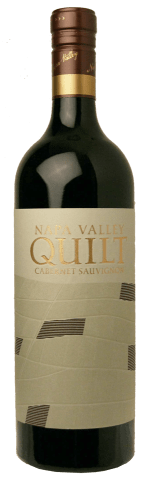
Quilt Napa Cabernet
Quilt is a new brand from Joe Wagner, the man who invented Meomi. It was so popular the he sold nearly a million cases a year before he handed it off to Constellation Brands for $315 million. With all that sweet jack, Joe has started Quilt; this Cabernet Sauvignon is blended from vineyards throughout Napa Valley all connected by Joe's family - the people who brought you Caymus.
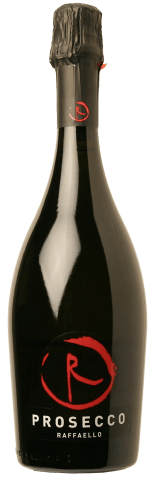
Raffaello Prosecco
Until recently, for Australian producers (and others), Prosecco was a grape and not a place. Recent changes Italy made to how Prosecco is classified, by renaming the grape in these wines as Glera and deeming Prosecco a place and not a grape, mooted any possibility of other countries insisting that they were just naming their wines Prosecco as a varietal designation. Maybe it helped, but Prosecco blew up, internationally speaking. Raffaello is by far, in a sea of Prosecco producers, the best value we have ever tasted.

Raptor and Crimson Cabernet Sauvignon
Raptor & Crimson is a multi-vintage blend of 100% Cabernet Sauvignon from some of the best vineyard sites in Napa Valley - 2019, 2020, 2021, and a splash of 2022. The fruit comes from vineyards across Oakville, including parcels adjacent to Screaming Eagle. It’s bottled unfined and unfiltered.

Rase-Montagne
This wine is bold, juicy, and just a little wild — like the night that always starts with “just one glass.” Syrah brings the spice, Alicante brings the color and body, and together they make a blend that’s smooth, powerful, and far too easy to finish. Pairs with grilled meats, late-night pizza, and questionable decisions. Big, bold, and guaranteed to stain your teeth… and maybe your reputation.

Robert Goulley Chablis
Chablis has seen frost, hail, and heat in recent years — but 2023 brought balance and generosity. Robert Goulley nailed it: ripe, fruit-forward Chardonnay layered over that classic Chablis chalk and stone. It’s fresh, bright, and ridiculously easy to love. The big names hog the spotlight, but this is the kind of authentic, terroir-driven Chablis insiders grab first.

Roche Bousseau Anjou Blanc
The beautiful Château de la Roche Bousseau was constructed in 1433, though much of it was destroyed after the French Revolution and rebuilt thereafter. Vines were planted in 1791 and have grown to almost 200 acres of Chenin Blanc and the other usual Loire Valley grapes. Chenin creates a simple enough wine in most places, but in Anjou the grape offers wines that can be complex, complete and exciting.

Roche Bousseau Anjou Rouge
The Château de la Roche Bousseau is first mentioned in the 15th century, but it was destroyed following the French Revolution. The Regnard family bought their first vines in 1791 around that time, now they own about 200 acres of vines. This is typical of what they produce: absurdly underpriced 100% Cabernet Franc from older vines with bright fruit and slightly herbal notes that are both fascinating and perfect for you to toss chicken on the grill.

Rocoiseau Viognier
More than a half century ago Viognier was forgotten; near extinct. In the 1980s things blew up, with acreages quintupling. There were a few successes, but most just didn't do justice to the grape. Winegrowers eventually found the ideal conditions, while the Viogniers of the Rhone have become pricey and sought-after. Elevated spots in the Pays d’Oc are this wine’s source; to a great degree this is the grape’s frontier now.
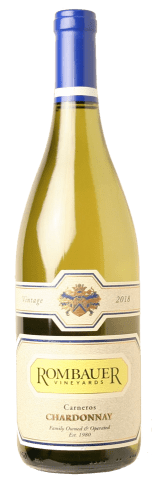
Rombauer Chardonnay
Fruity. Buttery. Big. It's Rombauer, I don't think any further explanation is needed.
Prejuges Chardonnay
Cabardès has not always been a favored site but its intense limestone soils are beginning to consistently offer Burgundy-like nerve. It’s tasty wine, but maybe the best part of the story is that Cabardès is named for the 13th Century Lords of Cabaret – seriously. Picture Joel Grey or Alan Cumming astride white stallions, swords a-glinter in the sunlight, horses prancing. Okay, you just can’t un-see that image, can you? Drink this incredibly tasty number and try to forget we said this.
Type, Body & Flavor
Pairings & Occasions
Prisoner Cabernet
The Prisoner Wine Company needs no introduction; its success with the Prisoner is legendary. The current winemaker Chrissy Wittmann knows Cabernet more than almost anyone. This is Cabernet Sauvignon, but with that Prisoner twist everyone loves.
Type, Body & Flavor
Pairings & Occasions
Querceto Toscana Rosso
Castello di Querceto sits in the hills above Greve in Chianti, where the François family has been making wine since 1897. They helped pioneer what became known as Super Tuscans. This isn't some upstart operation chasing trends. This is the OG group doing new things. Their Toscana Rosso is a blend of Syrah, Merlot, and Sangiovese that spends eight months in French oak. Think dark raspberry and blackberry with a plush, supple texture.
Type, Body & Flavor
Pairings & Occasions
Quilt Napa Cabernet
Quilt is a new brand from Joe Wagner, the man who invented Meomi. It was so popular the he sold nearly a million cases a year before he handed it off to Constellation Brands for $315 million. With all that sweet jack, Joe has started Quilt; this Cabernet Sauvignon is blended from vineyards throughout Napa Valley all connected by Joe's family - the people who brought you Caymus.
Type, Body & Flavor
Pairings & Occasions
Raffaello Prosecco
Until recently, for Australian producers (and others), Prosecco was a grape and not a place. Recent changes Italy made to how Prosecco is classified, by renaming the grape in these wines as Glera and deeming Prosecco a place and not a grape, mooted any possibility of other countries insisting that they were just naming their wines Prosecco as a varietal designation. Maybe it helped, but Prosecco blew up, internationally speaking. Raffaello is by far, in a sea of Prosecco producers, the best value we have ever tasted.
Type, Body & Flavor
Pairings & Occasions
Raptor and Crimson Cabernet Sauvignon
Raptor & Crimson is a multi-vintage blend of 100% Cabernet Sauvignon from some of the best vineyard sites in Napa Valley - 2019, 2020, 2021, and a splash of 2022. The fruit comes from vineyards across Oakville, including parcels adjacent to Screaming Eagle. It’s bottled unfined and unfiltered.
Type, Body & Flavor
Pairings & Occasions
Rase-Montagne
This wine is bold, juicy, and just a little wild — like the night that always starts with “just one glass.” Syrah brings the spice, Alicante brings the color and body, and together they make a blend that’s smooth, powerful, and far too easy to finish. Pairs with grilled meats, late-night pizza, and questionable decisions. Big, bold, and guaranteed to stain your teeth… and maybe your reputation.
Type, Body & Flavor
Pairings & Occasions
Robert Goulley Chablis
Chablis has seen frost, hail, and heat in recent years — but 2023 brought balance and generosity. Robert Goulley nailed it: ripe, fruit-forward Chardonnay layered over that classic Chablis chalk and stone. It’s fresh, bright, and ridiculously easy to love. The big names hog the spotlight, but this is the kind of authentic, terroir-driven Chablis insiders grab first.
Type, Body & Flavor
Pairings & Occasions
Roche Bousseau Anjou Blanc
The beautiful Château de la Roche Bousseau was constructed in 1433, though much of it was destroyed after the French Revolution and rebuilt thereafter. Vines were planted in 1791 and have grown to almost 200 acres of Chenin Blanc and the other usual Loire Valley grapes. Chenin creates a simple enough wine in most places, but in Anjou the grape offers wines that can be complex, complete and exciting.
Type, Body & Flavor
Pairings & Occasions
Roche Bousseau Anjou Rouge
The Château de la Roche Bousseau is first mentioned in the 15th century, but it was destroyed following the French Revolution. The Regnard family bought their first vines in 1791 around that time, now they own about 200 acres of vines. This is typical of what they produce: absurdly underpriced 100% Cabernet Franc from older vines with bright fruit and slightly herbal notes that are both fascinating and perfect for you to toss chicken on the grill.
Type, Body & Flavor
Pairings & Occasions
Rocoiseau Viognier
More than a half century ago Viognier was forgotten; near extinct. In the 1980s things blew up, with acreages quintupling. There were a few successes, but most just didn't do justice to the grape. Winegrowers eventually found the ideal conditions, while the Viogniers of the Rhone have become pricey and sought-after. Elevated spots in the Pays d’Oc are this wine’s source; to a great degree this is the grape’s frontier now.
Type, Body & Flavor
Pairings & Occasions
Rombauer Chardonnay
Fruity. Buttery. Big. It's Rombauer, I don't think any further explanation is needed.
Type, Body & Flavor
Pairings & Occasions