
Home / Shop Wines
Shop for Wine
Filter by what actually matters — how it tastes, what you're eating, and what tonight is about.
191 wines
No matches online
We haven’t shelved that one on the website — but it may still be in a store, and if it exists, we can probably get it.

Montcharme Malbec
Malbec may turn out to be an excellent tool for Languedoc Roussillon winemakers. Is it for sure? Not at all. Malbec is a southwestern France grape and a tertiary grape at that; Mediterranean France has little experience with it. But the region has elevation, so maybe we’re going to see more like this tasty little thing. let’s be clear about this: Malbec likes altitude. Why? No one really knows.

Moon Springs Pinot Noir
California Pinot can be a tricky category to navigate, but Moon Springs gets it right. It's the kind of easy-drinking, fruit-forward Pinot that works just as well on a Tuesday night as it does at a dinner party. Bright, approachable, and priced to make you happy.

Moon Springs Sauvignon Blanc
Bright, crisp, and refreshing with all the citrusy zip you want from the grape, this is the kind of weeknight pour that doesn't make you do math. Seafood, salads, a sunny porch, or honestly just a Tuesday. It works.

Moulin St Jean Reserve
The large and sometimes overlooked (but never under-consumed) Languedoc enjoys southern French weather, more Mediterranean than western European. Winemaker/owner Frédéric Bousquet has vineyards that alternate with the critically aromatic scrubland French vintners call “garrigue”. But while most GSM’s are topped off with Mourvèdre, Bousquet uses a lesser known grape called Marselan, perhaps typical in the area but hardly ever seen on its own.

Orlaida
Bodegas Lo Nuevo's success has allowed them to spread their wings to other prestigious regions. Their Montsant projects have brought them perhaps even more fame than in Jumilla. Orlaida could become a benchmark for the potential of Montsant. The vineyards for their Garnacha are at 2,000 ft. in altitude in the area of Cornudella de Montsant, with Priorat like slate soils. Cariñena vineyards in Darmós and Masrig are on clay soils, and the Syrah vines are located on limestone.

Overbrook Cabernet
In the world of sub- $15 wine, Overbrook Cabernet is a revelation. I guess this is what happens when you put world class vineyard sites in a partnership with world class winemaking team and an extreme focus on quality and value. We need more of these in the world!!

Pabellon Rioja
The powers behind Bodegas Lo Nuevo have a remarkable set of vineyards in many of the sexiest parts of Spain, and they always bring some crazy value to it. This is no exception, and is one of the most exciting sub $15 red wines we have tasted in a long time!
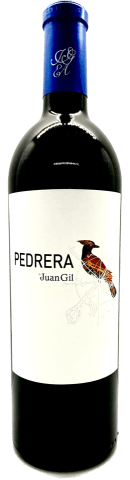
Pedrera
It's the "baby Clio." Same winemaker, same estate, same approach. Just younger vines that don't quite meet the strict quality bar for Clio itself. Think of it like the second wine of a great Bordeaux château - made from the same property, with the same care, but at a fraction of the price.

Pinot Noir P/N
Put together a bunch of passionate kids (some with backgrounds selling wines for legends such as Eric Solomon and Martine Saunier) deeply immersed in the California biz and you can find some pretty tasty wines. That's what they did and that's what we have here.

Pocapalla
This is 100% Cabernet Sauvignon from the El Nido Vineyard. Pocapalla is the only wine made from 100% Cabernet from this vineyard and the only wine to contain this fruit outside of El Nido. (the guys who also make Clio). El Nido is anywhere from $115 to $185 with a track record of 98 and 99 point scores. You would think that a wine made exclusively from the cabernet portion would be more expensive than El Nido…but that is just not how we roll.

Pocapita
Pocapita is a great example of how much the Rioja region has upped its game in the last decade. Like many of their wines of late, this 100% Tempranillo is rich, powerful, intense, heady and every bit a modern version of concentrated Rioja, but one that nevertheless still tastes like Rioja.

Poitout Chablis
Fresh, crisp, and straight-up delicious. Classic Chablis minerality with just the right zip of citrus. No oak bombs here — just pure Chardonnay from limestone soils. Like licking a cold oyster shell… in the best way possible.
Montcharme Malbec
Malbec may turn out to be an excellent tool for Languedoc Roussillon winemakers. Is it for sure? Not at all. Malbec is a southwestern France grape and a tertiary grape at that; Mediterranean France has little experience with it. But the region has elevation, so maybe we’re going to see more like this tasty little thing. let’s be clear about this: Malbec likes altitude. Why? No one really knows.
Type, Body & Flavor
Pairings & Occasions
Moon Springs Pinot Noir
California Pinot can be a tricky category to navigate, but Moon Springs gets it right. It's the kind of easy-drinking, fruit-forward Pinot that works just as well on a Tuesday night as it does at a dinner party. Bright, approachable, and priced to make you happy.
Type, Body & Flavor
Pairings & Occasions
Moon Springs Sauvignon Blanc
Bright, crisp, and refreshing with all the citrusy zip you want from the grape, this is the kind of weeknight pour that doesn't make you do math. Seafood, salads, a sunny porch, or honestly just a Tuesday. It works.
Type, Body & Flavor
Pairings & Occasions
Moulin St Jean Reserve
The large and sometimes overlooked (but never under-consumed) Languedoc enjoys southern French weather, more Mediterranean than western European. Winemaker/owner Frédéric Bousquet has vineyards that alternate with the critically aromatic scrubland French vintners call “garrigue”. But while most GSM’s are topped off with Mourvèdre, Bousquet uses a lesser known grape called Marselan, perhaps typical in the area but hardly ever seen on its own.
Type, Body & Flavor
Pairings & Occasions
Orlaida
Bodegas Lo Nuevo's success has allowed them to spread their wings to other prestigious regions. Their Montsant projects have brought them perhaps even more fame than in Jumilla. Orlaida could become a benchmark for the potential of Montsant. The vineyards for their Garnacha are at 2,000 ft. in altitude in the area of Cornudella de Montsant, with Priorat like slate soils. Cariñena vineyards in Darmós and Masrig are on clay soils, and the Syrah vines are located on limestone.
Type, Body & Flavor
Pairings & Occasions
Overbrook Cabernet
In the world of sub- $15 wine, Overbrook Cabernet is a revelation. I guess this is what happens when you put world class vineyard sites in a partnership with world class winemaking team and an extreme focus on quality and value. We need more of these in the world!!
Type, Body & Flavor
Pairings & Occasions
Pabellon Rioja
The powers behind Bodegas Lo Nuevo have a remarkable set of vineyards in many of the sexiest parts of Spain, and they always bring some crazy value to it. This is no exception, and is one of the most exciting sub $15 red wines we have tasted in a long time!
Type, Body & Flavor
Pairings & Occasions
Pedrera
It's the "baby Clio." Same winemaker, same estate, same approach. Just younger vines that don't quite meet the strict quality bar for Clio itself. Think of it like the second wine of a great Bordeaux château - made from the same property, with the same care, but at a fraction of the price.
Type, Body & Flavor
Pairings & Occasions
Pinot Noir P/N
Put together a bunch of passionate kids (some with backgrounds selling wines for legends such as Eric Solomon and Martine Saunier) deeply immersed in the California biz and you can find some pretty tasty wines. That's what they did and that's what we have here.
Type, Body & Flavor
Pairings & Occasions
Pocapalla
This is 100% Cabernet Sauvignon from the El Nido Vineyard. Pocapalla is the only wine made from 100% Cabernet from this vineyard and the only wine to contain this fruit outside of El Nido. (the guys who also make Clio). El Nido is anywhere from $115 to $185 with a track record of 98 and 99 point scores. You would think that a wine made exclusively from the cabernet portion would be more expensive than El Nido…but that is just not how we roll.
Type, Body & Flavor
Pairings & Occasions
Pocapita
Pocapita is a great example of how much the Rioja region has upped its game in the last decade. Like many of their wines of late, this 100% Tempranillo is rich, powerful, intense, heady and every bit a modern version of concentrated Rioja, but one that nevertheless still tastes like Rioja.
Type, Body & Flavor
Pairings & Occasions
Poitout Chablis
Fresh, crisp, and straight-up delicious. Classic Chablis minerality with just the right zip of citrus. No oak bombs here — just pure Chardonnay from limestone soils. Like licking a cold oyster shell… in the best way possible.
Type, Body & Flavor
Pairings & Occasions