
Home / Shop Wines
Best Seller Wines
Filter by what actually matters — how it tastes, what you're eating, and what tonight is about.
35 wines
No matches online
We haven’t shelved that one on the website — but it may still be in a store, and if it exists, we can probably get it.

Corasado
Bodegas Lo Nuevo has unquestionably modernized their winery; it’s practically a technical marvel now. But what makes these wines special is the place, Jumilla, with its intense weather. It’s tough ground for most grapes, but Monastrell (the French, who borrowed it from Spain, call it Mourvedre) and Cariñena (once again, a borrowed grape dubbed Carignan by the French) can thrive here.
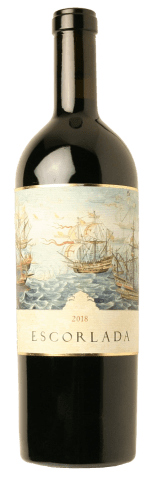
Escorlada
Spanish wine is a bargain, right? It’s been that way for decades, though it’s only been in the last ten or fifteen years that the wider world has dropped some in their gullets and said, wait, this costs how much? Certainly, less than it should. It doesn't take geniuses to notice it, so we’re not making any claims to our own brilliance. In the case of this Garnacha Tintorera, we’re pretty sure we’ve found what may be the best sub $20 wine we have ever tasted. Spain has done it again!

Highland Falls
"Mountain-grown, it’s the richest kind,” as coffee commercials used to say, but it’s also true of Cabernet. Foley Family's pedigree doesn’t hurt either: the guys who bring you Merus, Chalone and Chalk Hill Wines are behind the powerhouse Highland Falls lineup too.

Kingstree Cabernet
This is a tasty little gem unearthed by the pros at Banshee Wines. Banshee, started by three guys who just happened to like wine and wanted an excuse to be out west, hasn't been around long but they sure have kicked off righteously during their short career. They’ve always been focused upon cooler climate sites, especially with Chardonnay and Pinot Noir, and at the prices they offer their wines, it’s no surprise that things have gone swimmingly well.

Kingstree Proprietary Red
The first rule of Pays d’Oc is: there is no rulebook. The second rule of Pays d’Oc is: see above. While the rest of France legislates which grapes go where down to the centimeter, this stretch of the Languedoc lets Cabernet Sauvignon do whatever it wants, including hanging out with grapes it technically shouldn’t. The result is dark, ripped, and a little dangerous: think Tyler Durden, if Tyler Durden had firm tannins instead of abs. (Honestly, might have both.)

La Petite Gargotte
The Comte Tolosan region encompasses famed wine regions: Jurancon, Cahors and Armagnac. Typically, the white wines are based upon neutral grapes like Ugni Blanc, Colombard, and Folle Blanche, or more aromatic grapes like Petit Manseng or Gros Manseng. While few of these grapes have distinctive personalities, if you put them into a harmonious blend, they can be pretty charming.

Ladron del Palacio
The powers behind Bodegas Lo Nuevo are crucial to the modern success of Spanish wine, especially wines from the Levante, the Africa-facing south. Here the Almansa region grows Garnacha, among other traditional Spanish red grapes, but unlike the oxidized, alcoholic wines of yore, the new wines are bright and sunny with all the original fruits from the grape preserved. Bodegas Lo Nuevo would be the first to insist that their success is conditioned upon old vines grown at high altitudes. Here the Garnacha is at nearly 3500 feet, where the otherwise relentlessly warm temperatures see nighttime cooling into the 40s.

Larme en Rose
If you stick around the wine business long enough, you’ll have seen it all. Where once wine coolers were cooler than Liebfraumilch, now hard seltzer is hot (served cold). White Zin was once de rigeur, though it was never French; it was from the good ol’ US of A. But then that became too sweet and the category died. Or seemed to. Because then rosé rose up like a zombie eager for fresh meat, though the current iteration of the pink stuff is more often French than not. Provence is the epicenter of it and the French have figured out how we like it: dry, pale pink, light and refreshing.
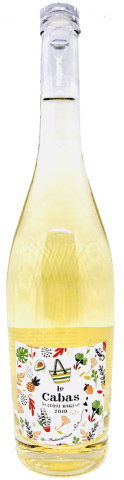
Le Cabas Sauvignon Blanc
Gascony ain't just the Three Muskateers, though they have a place in our hearts as well. More than anything, Gascony is foie gras, delicious plums and apricots, rich dinners with Armagnac to follow. But the white grapes grown here are not just for great brandy, they have always been consumed as wine too and the last decade or so has seen an embrace of clean, cold winemaking to preserve the aromas of otherwise neutral grapes like Ugni Blanc or Folle Blanche. It's also seen new plantings of Sauvignon Blanc, a grape that requires no heroic measures to reveal its aromatic riches. Whats fun here is that these same winemaking methods generate something bright and vibrant but without much resemblance to other such Sauvignon Blancs (I'm looking at you, New Zealand), many of which have begun to seem like self-caricature. This one is comfortably itself, needing only an ice bucket and a big glass.
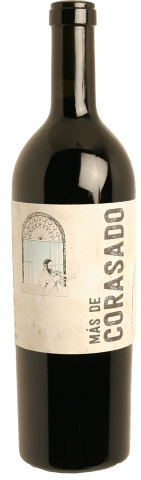
Mas de Corasado
A blend of Cabernet, Grenache, Syrah, Monastrell and Carignan, this wine is aged for 18 months in French Oak barrels and then bottled in what may be the heaviest piece of glass in all of winedom :)
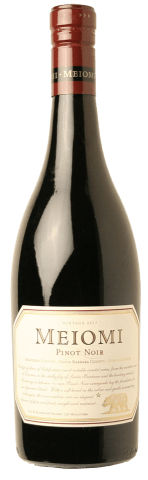
Meiomi Pinot Noir
This is what we like to call Pinot for Cab drinkers. Large and in charge this is the Pinot packs more punch than many Pinot's that are twice as expensive. Don't worry about the screw cap...these people know what they are doing.

Orlaida
Bodegas Lo Nuevo's success has allowed them to spread their wings to other prestigious regions. Their Montsant projects have brought them perhaps even more fame than in Jumilla. Orlaida could become a benchmark for the potential of Montsant. The vineyards for their Garnacha are at 2,000 ft. in altitude in the area of Cornudella de Montsant, with Priorat like slate soils. Cariñena vineyards in Darmós and Masrig are on clay soils, and the Syrah vines are located on limestone.
Corasado
Bodegas Lo Nuevo has unquestionably modernized their winery; it’s practically a technical marvel now. But what makes these wines special is the place, Jumilla, with its intense weather. It’s tough ground for most grapes, but Monastrell (the French, who borrowed it from Spain, call it Mourvedre) and Cariñena (once again, a borrowed grape dubbed Carignan by the French) can thrive here.
Type, Body & Flavor
Pairings & Occasions
Escorlada
Spanish wine is a bargain, right? It’s been that way for decades, though it’s only been in the last ten or fifteen years that the wider world has dropped some in their gullets and said, wait, this costs how much? Certainly, less than it should. It doesn't take geniuses to notice it, so we’re not making any claims to our own brilliance. In the case of this Garnacha Tintorera, we’re pretty sure we’ve found what may be the best sub $20 wine we have ever tasted. Spain has done it again!
Type, Body & Flavor
Pairings & Occasions
Highland Falls
"Mountain-grown, it’s the richest kind,” as coffee commercials used to say, but it’s also true of Cabernet. Foley Family's pedigree doesn’t hurt either: the guys who bring you Merus, Chalone and Chalk Hill Wines are behind the powerhouse Highland Falls lineup too.
Type, Body & Flavor
Pairings & Occasions
Kingstree Cabernet
This is a tasty little gem unearthed by the pros at Banshee Wines. Banshee, started by three guys who just happened to like wine and wanted an excuse to be out west, hasn't been around long but they sure have kicked off righteously during their short career. They’ve always been focused upon cooler climate sites, especially with Chardonnay and Pinot Noir, and at the prices they offer their wines, it’s no surprise that things have gone swimmingly well.
Type, Body & Flavor
Pairings & Occasions
Kingstree Proprietary Red
The first rule of Pays d’Oc is: there is no rulebook. The second rule of Pays d’Oc is: see above. While the rest of France legislates which grapes go where down to the centimeter, this stretch of the Languedoc lets Cabernet Sauvignon do whatever it wants, including hanging out with grapes it technically shouldn’t. The result is dark, ripped, and a little dangerous: think Tyler Durden, if Tyler Durden had firm tannins instead of abs. (Honestly, might have both.)
Type, Body & Flavor
Pairings & Occasions
La Petite Gargotte
The Comte Tolosan region encompasses famed wine regions: Jurancon, Cahors and Armagnac. Typically, the white wines are based upon neutral grapes like Ugni Blanc, Colombard, and Folle Blanche, or more aromatic grapes like Petit Manseng or Gros Manseng. While few of these grapes have distinctive personalities, if you put them into a harmonious blend, they can be pretty charming.
Type, Body & Flavor
Pairings & Occasions
Ladron del Palacio
The powers behind Bodegas Lo Nuevo are crucial to the modern success of Spanish wine, especially wines from the Levante, the Africa-facing south. Here the Almansa region grows Garnacha, among other traditional Spanish red grapes, but unlike the oxidized, alcoholic wines of yore, the new wines are bright and sunny with all the original fruits from the grape preserved. Bodegas Lo Nuevo would be the first to insist that their success is conditioned upon old vines grown at high altitudes. Here the Garnacha is at nearly 3500 feet, where the otherwise relentlessly warm temperatures see nighttime cooling into the 40s.
Type, Body & Flavor
Pairings & Occasions
Larme en Rose
If you stick around the wine business long enough, you’ll have seen it all. Where once wine coolers were cooler than Liebfraumilch, now hard seltzer is hot (served cold). White Zin was once de rigeur, though it was never French; it was from the good ol’ US of A. But then that became too sweet and the category died. Or seemed to. Because then rosé rose up like a zombie eager for fresh meat, though the current iteration of the pink stuff is more often French than not. Provence is the epicenter of it and the French have figured out how we like it: dry, pale pink, light and refreshing.
Type, Body & Flavor
Pairings & Occasions
Le Cabas Sauvignon Blanc
Gascony ain't just the Three Muskateers, though they have a place in our hearts as well. More than anything, Gascony is foie gras, delicious plums and apricots, rich dinners with Armagnac to follow. But the white grapes grown here are not just for great brandy, they have always been consumed as wine too and the last decade or so has seen an embrace of clean, cold winemaking to preserve the aromas of otherwise neutral grapes like Ugni Blanc or Folle Blanche. It's also seen new plantings of Sauvignon Blanc, a grape that requires no heroic measures to reveal its aromatic riches. Whats fun here is that these same winemaking methods generate something bright and vibrant but without much resemblance to other such Sauvignon Blancs (I'm looking at you, New Zealand), many of which have begun to seem like self-caricature. This one is comfortably itself, needing only an ice bucket and a big glass.
Type, Body & Flavor
Pairings & Occasions
Mas de Corasado
A blend of Cabernet, Grenache, Syrah, Monastrell and Carignan, this wine is aged for 18 months in French Oak barrels and then bottled in what may be the heaviest piece of glass in all of winedom :)
Type, Body & Flavor
Pairings & Occasions
Meiomi Pinot Noir
This is what we like to call Pinot for Cab drinkers. Large and in charge this is the Pinot packs more punch than many Pinot's that are twice as expensive. Don't worry about the screw cap...these people know what they are doing.
Type, Body & Flavor
Pairings & Occasions
Orlaida
Bodegas Lo Nuevo's success has allowed them to spread their wings to other prestigious regions. Their Montsant projects have brought them perhaps even more fame than in Jumilla. Orlaida could become a benchmark for the potential of Montsant. The vineyards for their Garnacha are at 2,000 ft. in altitude in the area of Cornudella de Montsant, with Priorat like slate soils. Cariñena vineyards in Darmós and Masrig are on clay soils, and the Syrah vines are located on limestone.
Type, Body & Flavor
Pairings & Occasions